
If you own a swimming pool or look after one, you already know how much electricity a pool pump can use. Noise, running cost, and regular maintenance are also common concerns. This is where variable speed pumps have started to make a real difference.
In some countries, variable speed pumps are already required by law, mainly to reduce power consumption and support more energy-efficient systems. Similar rules are expected in other regions too. So even if you’re not thinking about changing your pump right now, it’s something worth understanding.
They Use Much Less Power
Traditional pool pumps usually run at one fixed speed, whether the pool needs it or not. Variable speed pumps work differently. They adjust their speed depending on the task—filtration, cleaning, or circulation. Most of the time, the pump doesn’t need to run at full speed. By running slower for longer periods, power consumption drops significantly. This can lead to major savings on electricity bills, especially over the long term.
The Extra Cost Pays Back Over Time
It’s true that variable speed pumps cost more than standard pumps when you first buy them. But because they use much less electricity, the running cost is lower. Over time, those savings help recover the initial cost. With electricity prices continuing to rise, many pool owners find that the pump pays for itself sooner than expected.
Better Control of Pool Activities
A variable speed pump makes day-to-day pool operation easier. Different activities need different flow rates—filtration, backwashing, running a heat pump, or using a pool cleaner. Instead of adjusting things manually or wasting energy, the pump can be set to run at the right speed for each task. This saves time and helps the whole system work more smoothly.
Much Quieter Operation
Noise is a big issue, especially when the pump room is close to living areas. Variable speed pumps are noticeably quieter because they usually run at lower speeds. At these speeds, noise and vibration are minimal. The result is a calmer, more comfortable environment around the pool.
Cleaner Water, Less Effort
Slower water flow through the filtration system actually improves filtration. The water has more time to pass through the filter, which helps remove finer particles. This often means better water quality and less reliance on chemical treatments. Maintenance becomes simpler and more manageable.
Longer Pump Life
Because the pump isn’t constantly running at full speed, there’s less stress on the motor and internal parts. This reduces wear and tear and helps extend the life of the pump. Fewer breakdowns and less maintenance benefit both the installer and the pool owner in the long run.
Innovation in Variable Speed Pumps
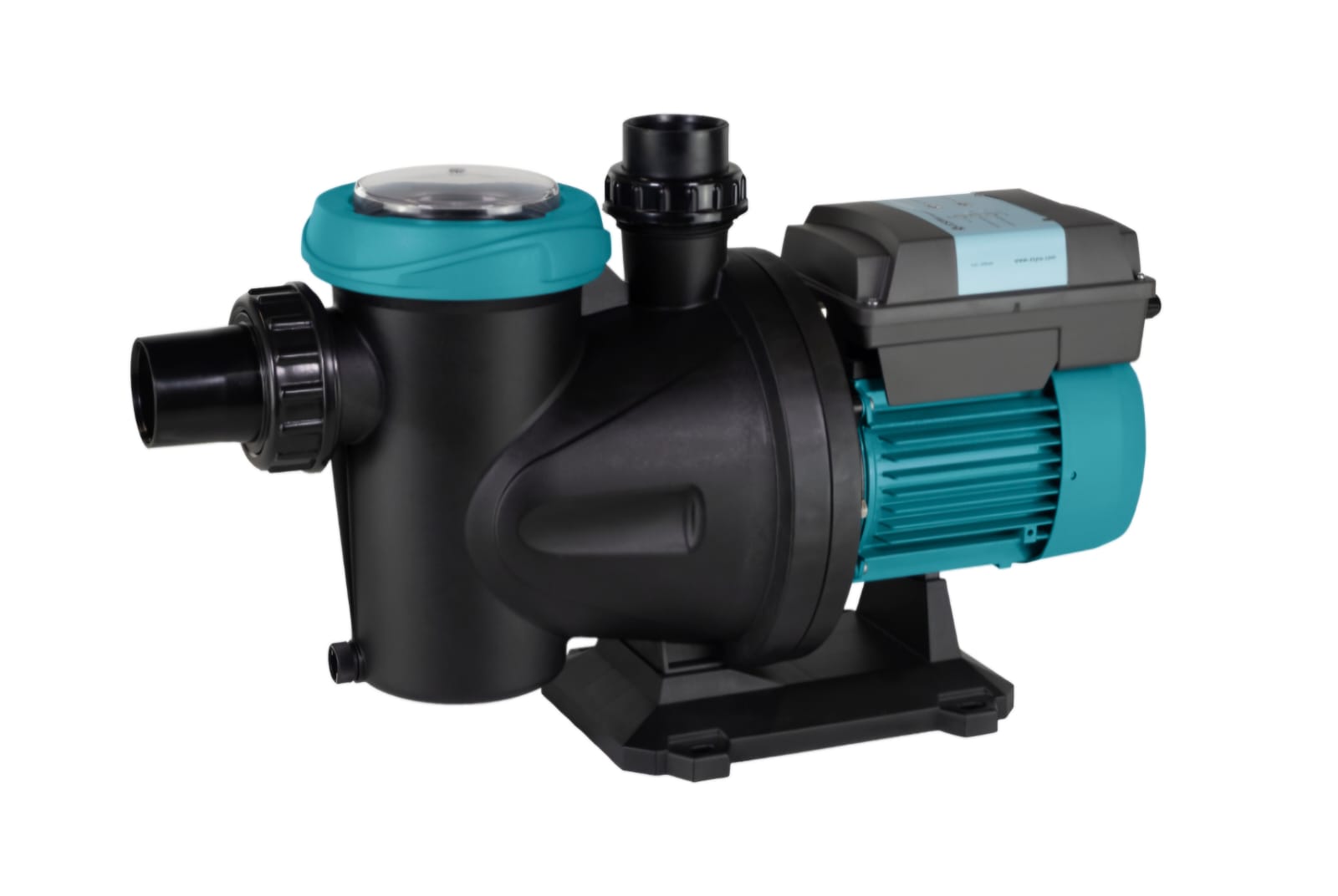
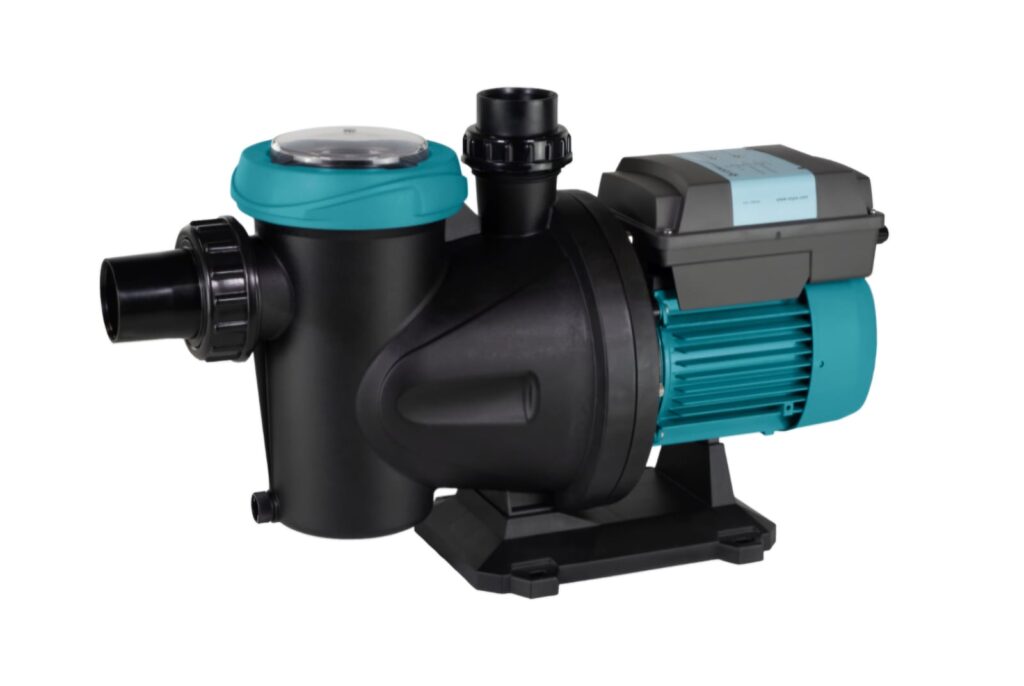
A good example of how variable speed technology has evolved is the Silenplus pump from ESPA. This pump is designed to adapt its operating cycles to suit the pool, focusing on three things most pool owners care about—quiet operation, energy savings, and consistent performance.
Silenplus pumps also come with Evopool technology, which allows users to manage pump settings through a mobile app. Once configured, the pump can operate on its own, adjusting to daily needs without constant manual input.
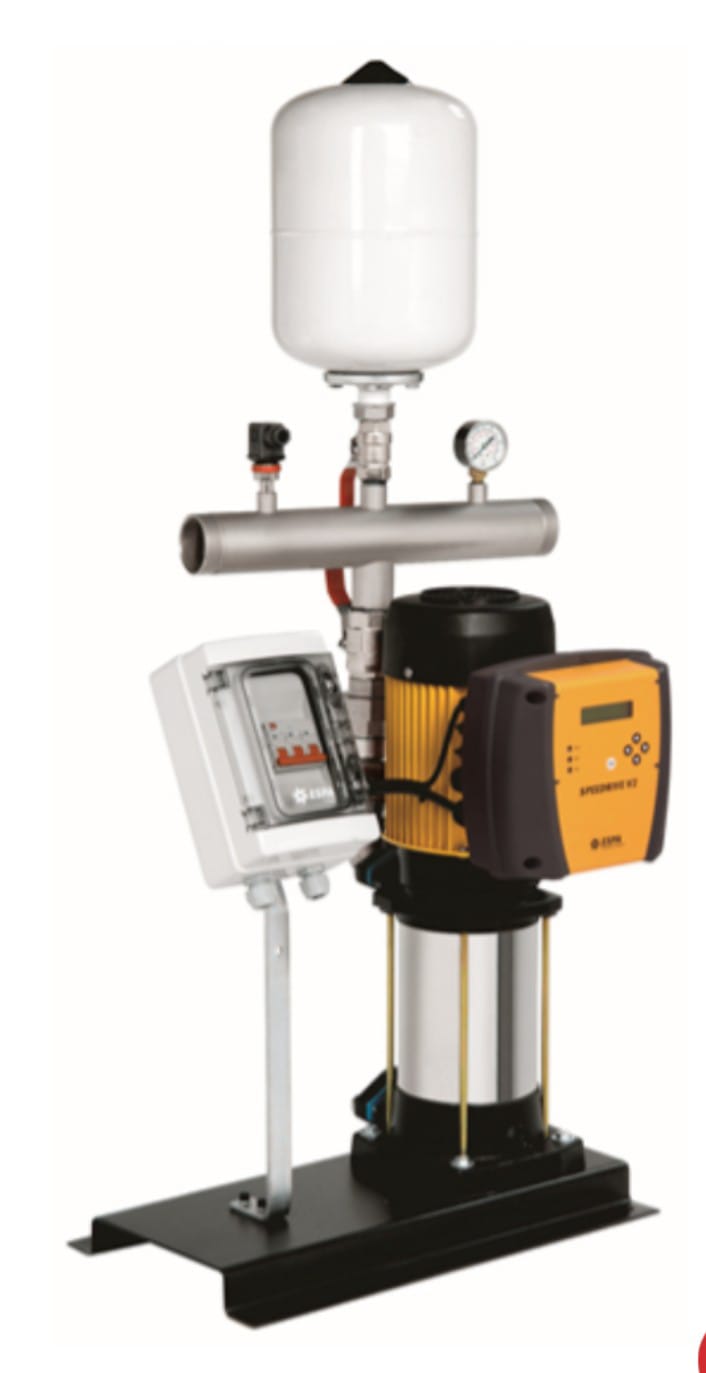
For other applications, ESPA also offers variable speed models like the CKE and Tecnoplus, which are used beyond standard pool filtration, depending on system requirements.
Why Variable Speed Pumps Make Sense Today
Variable speed pumps are no longer just an upgrade for premium pools. They are becoming the sensible choice for anyone looking to reduce power usage, lower noise, and make pool maintenance easier.
In simple terms, they cost less to run, last longer, and make owning or managing a pool more comfortable.